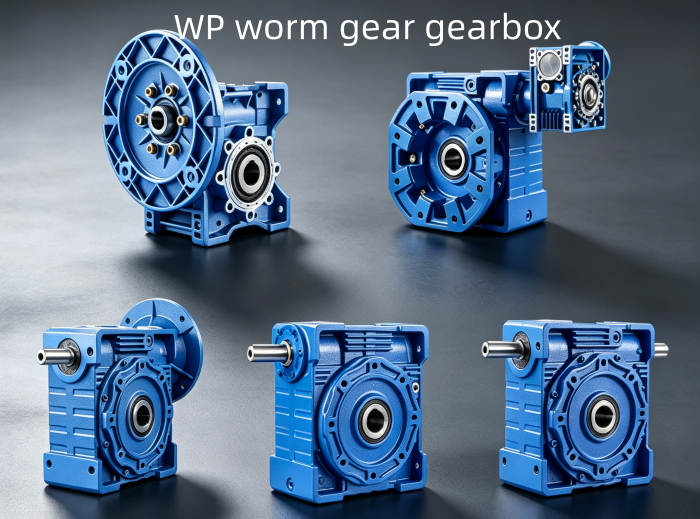
WP Series Fault Diagnosis – Systematic Troubleshooting for High Oil Temperature
WP Series Fault Diagnosis – High Oil Temperature
Excessive oil temperature is a common fault phenomenon in WP series worm gear reducers. This article provides a systematic root cause analysis across design, usage, and maintenance dimensions
Root Cause 1: Lubrication System Failure (Primary Cause)
| ssue | Symptom | Solution |
|---|---|---|
| Low oil level | Temperature rise, increased noise | Top up to correct level |
| Contaminated oil | Oil discoloration, metal particles | Change oil; flush system |
| Incorrect oil type | Poor lubrication, accelerated wear | Use recommended worm gear oil |
| Wrong viscosity | Film breakdown or high resistance | Select by temperature (150/220/320 |
| ssue | Symptom | Solution |
|---|---|---|
| Overload | Temperature rise with normal oil | Reduce load; upsize reducer |
| Frequent start-stop | Cyclic temperature spikes | Review duty cycle; add cooling |
| Mechanical binding | Unusual resistance | Check driven equipment |
Root Cause 3: Environmental Factors
| Issue | Symptom | Solution |
| High ambient temperature (>40°C) | Oil temperature exceeds 95°C | Add cooling; derate |
| Poor ventilation | Heat buildup | Improve airflow; add fan |
| Dust accumulation | Reduced heat dissipation | Clean housing regularly |
Oil Temperature Limits
●Maximum allowable oil temperature: 95°C
●As long as oil temperature does not continue to rise within this limit, operation is acceptable
●Oil temperature exceeding 80°C shortens service life to below 30,000 hours
Diagnostic Flow
Check oil level → Top up if low
Check oil quality → Change if contaminated
Verify load → Reduce if overloaded
Check ventilation → Improve airflow
Verify ambient temperature → Add cooling if >40°C
Inspect for mechanical issues → Check alignment, bearings, gears