
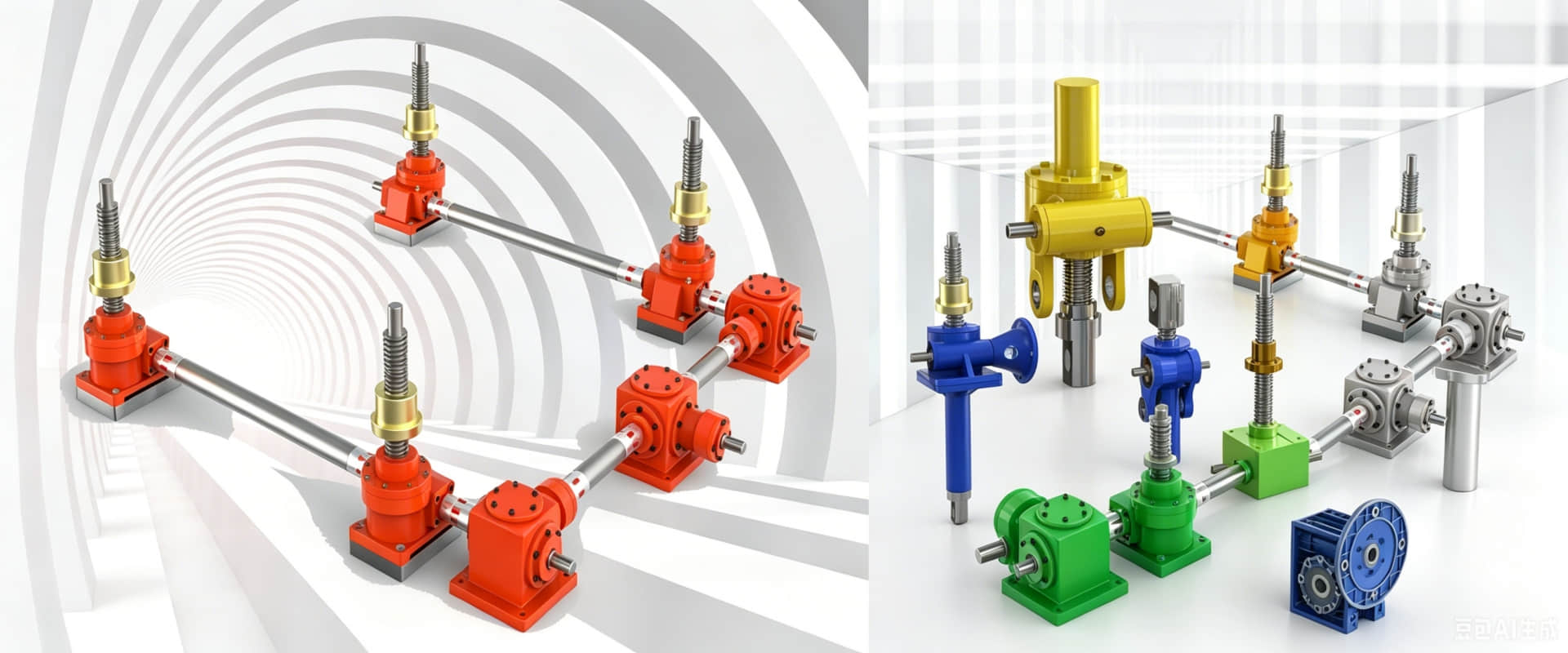
servo motor vs stepper motor which is better
Servo Motors vs. Stepper Motors: Precise Selection, Avoiding Misleading Choices
"Servo motors are always better than stepper motors" is a common misconception
in motion control. They operate on different principles and excel in completely
different areas. Choosing the wrong model not only wastes money but can also
lead to equipment losing steps, overshooting, or crawling at low speeds.
Below, we break down their fundamental differences from six core dimensions.
I. Control Method: Servo motors use closed-loop control. The encoder provides
real-time feedback on position and speed, and the driver corrects deviations instantly,
preventing missed steps. Stepper motors are essentially open-loop control.
Pulse commands are sent to the rotor to follow the movement. If the load is suddenly
too heavy or acceleration/deceleration is too abrupt, it is prone to losing steps
without the system's awareness. Some stepper motors can be fitted with encoders
to form a closed loop, but their response bandwidth and rigidity are still inferior
to servo motors.
II. Speed-Torque Characteristics: This is the most significant dividing line between
the two. Servo motors provide constant torque output within their rated speed range,
exhibiting superior high-speed performance, maintaining high torque even above 3000 rpm.
Stepper motor torque drops sharply as speed increases, typically reaching negligible torque
after 600-1000 rpm, making it inherently weak in medium- to high-speed applications.
III. Accuracy and Resolution: Servo motors achieve extremely high resolution through encoder
line count (17-bit, 23-bit, etc.), with positioning accuracy down to the arcsecond level.
Stepper motors are limited by the step angle (commonly 1.8°). While subdivision can improve
smoothness, the accuracy after subdivision is not strictly guaranteed, leading to accumulated
step error. In high-speed, high-precision applications, servo motors are far superior.
IV. Overload and Dynamic Response: Servo motors possess short-term overload capability
(typically 300% of rated torque), handling sudden load increases, and accelerating from
a standstill to rated speed in just tens of milliseconds. Stepper motors have almost no overload
capability; once overloaded, they lose steps, and their dynamic response is weak, with rapid
start-stop cycles prone to overshoot and oscillation.
V. Heat Generation and Energy Consumption: Servo motors consume current only when
outputting power, generating almost no heat when stationary. Stepper motors maintain
current regardless of load, resulting in significant heat generation when stationary.
For workstations with frequent start-stop cycles and long standby times, the temperature
rise and energy consumption of stepper motors cannot be ignored.
VI. Cost and Ease of Use
Stepper drive systems are inexpensive, easy to wire and debug, require no complex
parameter tuning, and have a low barrier to entry for electrical personnel. Servo systems
are several times more expensive, require adjustment of parameters such as gain and filtering,
and are more sensitive to mechanical rigidity and installation precision. However, on high-cycle,
high-precision production lines, the low scrap rate of servo drives can quickly recoup the price difference.
Key Comparison Quick Reference
How to Choose?
Choose Stepper Motors: For open-loop equipment with speeds below 600 rpm, constant loads,
and price sensitivity, such as simple feeders, regulating valves, and low-speed rotary tables.
Choose Servo Motors: For scenarios requiring high-speed start-stop, precise positioning, and strong
anti-disturbance capabilities, such as CNC machine tools, industrial robots, pick-and-place machines,
and packaging flying shears.
Both can be paired with precision reducers. We offer planetary gearboxes, precision gearboxes for servo motors,
stepper motor reducers, and integrated power solutions. Based on your cycle time, torque, and precision requirements,
we provide one-on-one recommendations for the optimal solution, balancing performance and cost.
Contact our engineers at Hu Xing for motion control solutions and quotes.
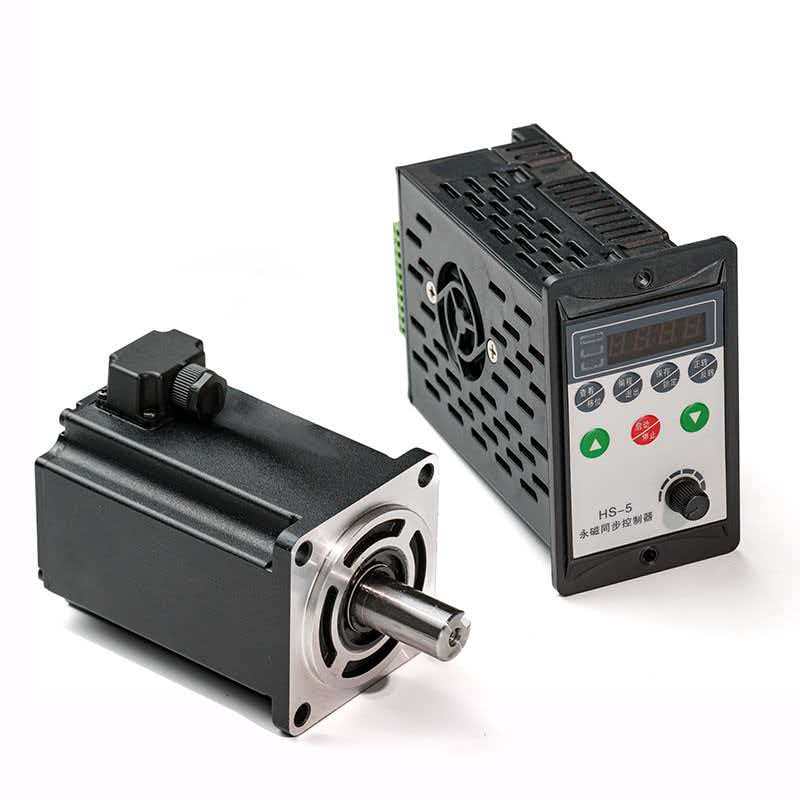 servo motor
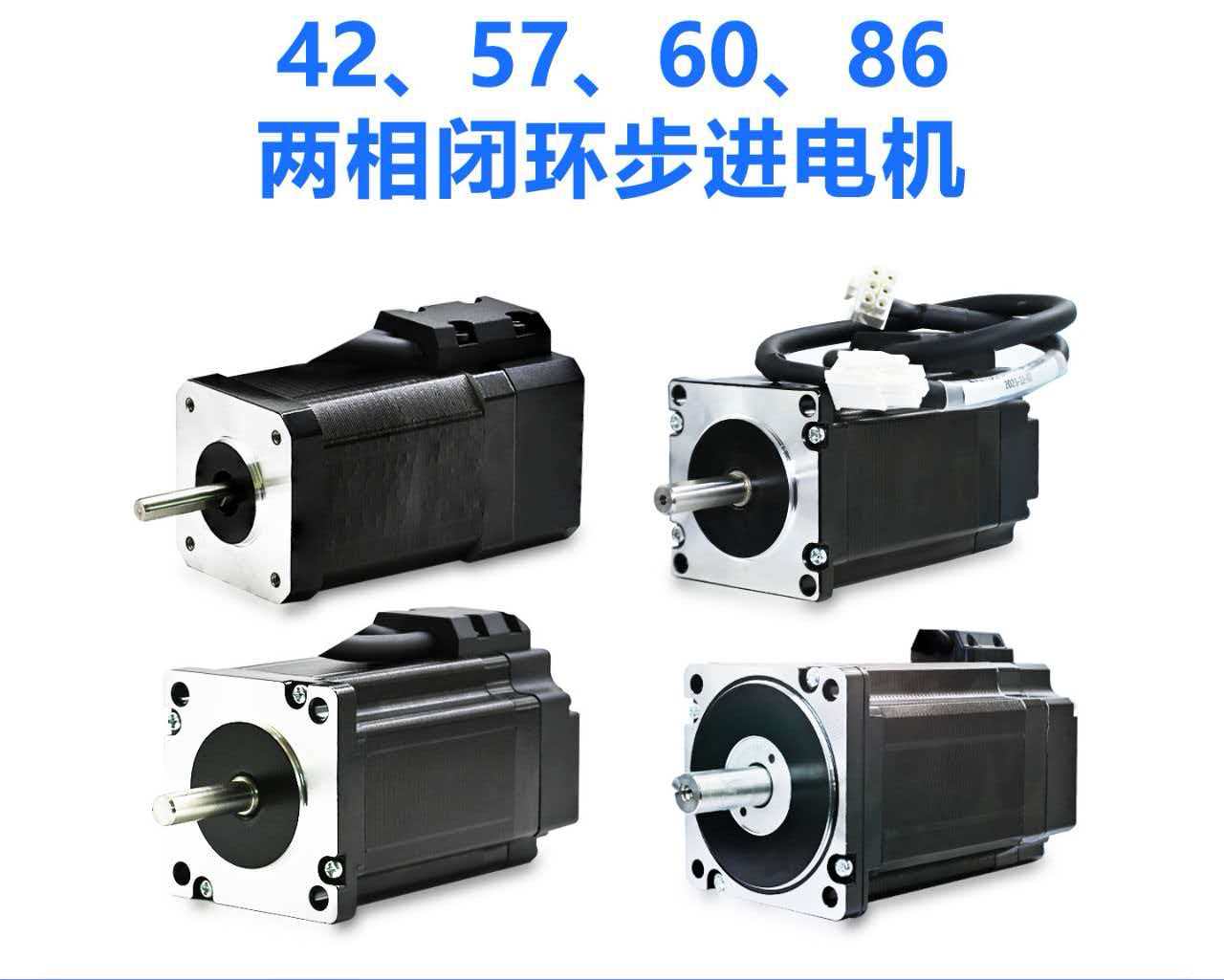 stepper motor