
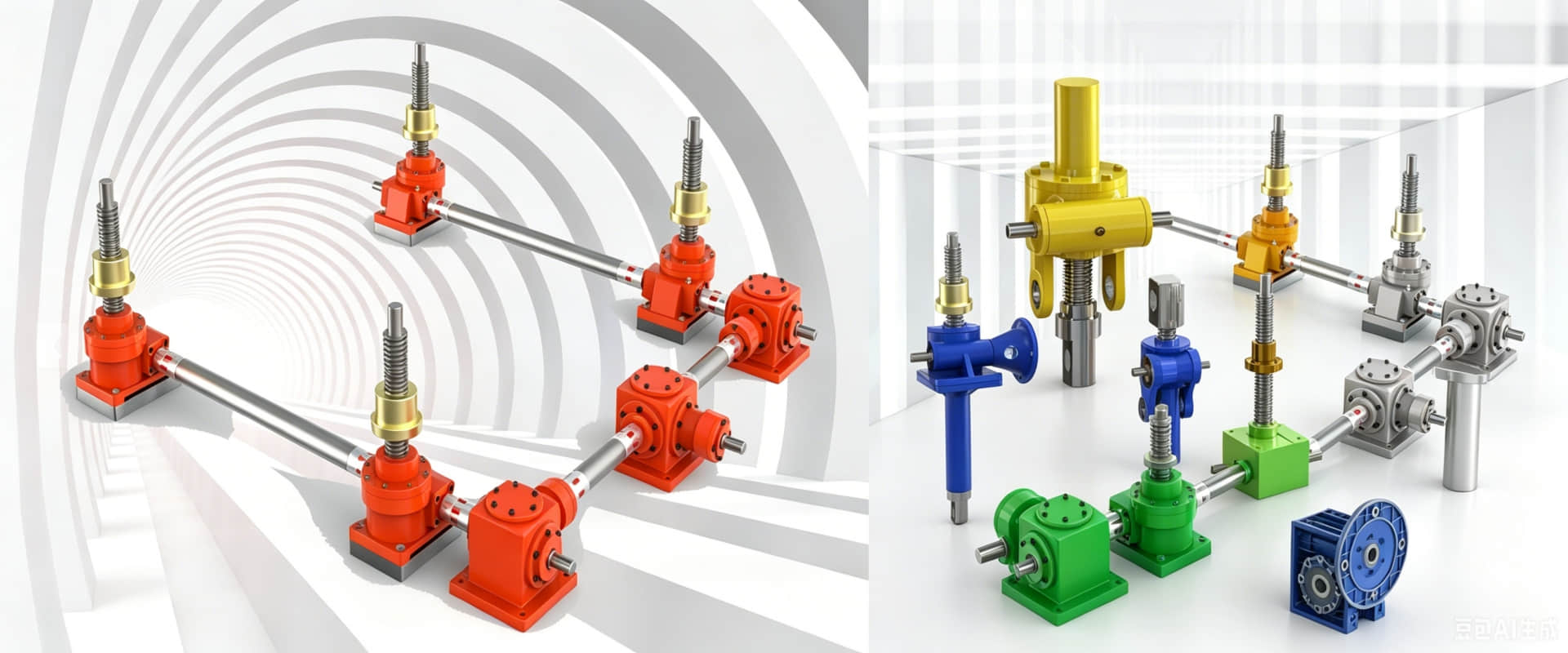
JWM/JWB mechanical jack accessories handwheel size
JWM/JWB mechanical jack accessories handwheel size
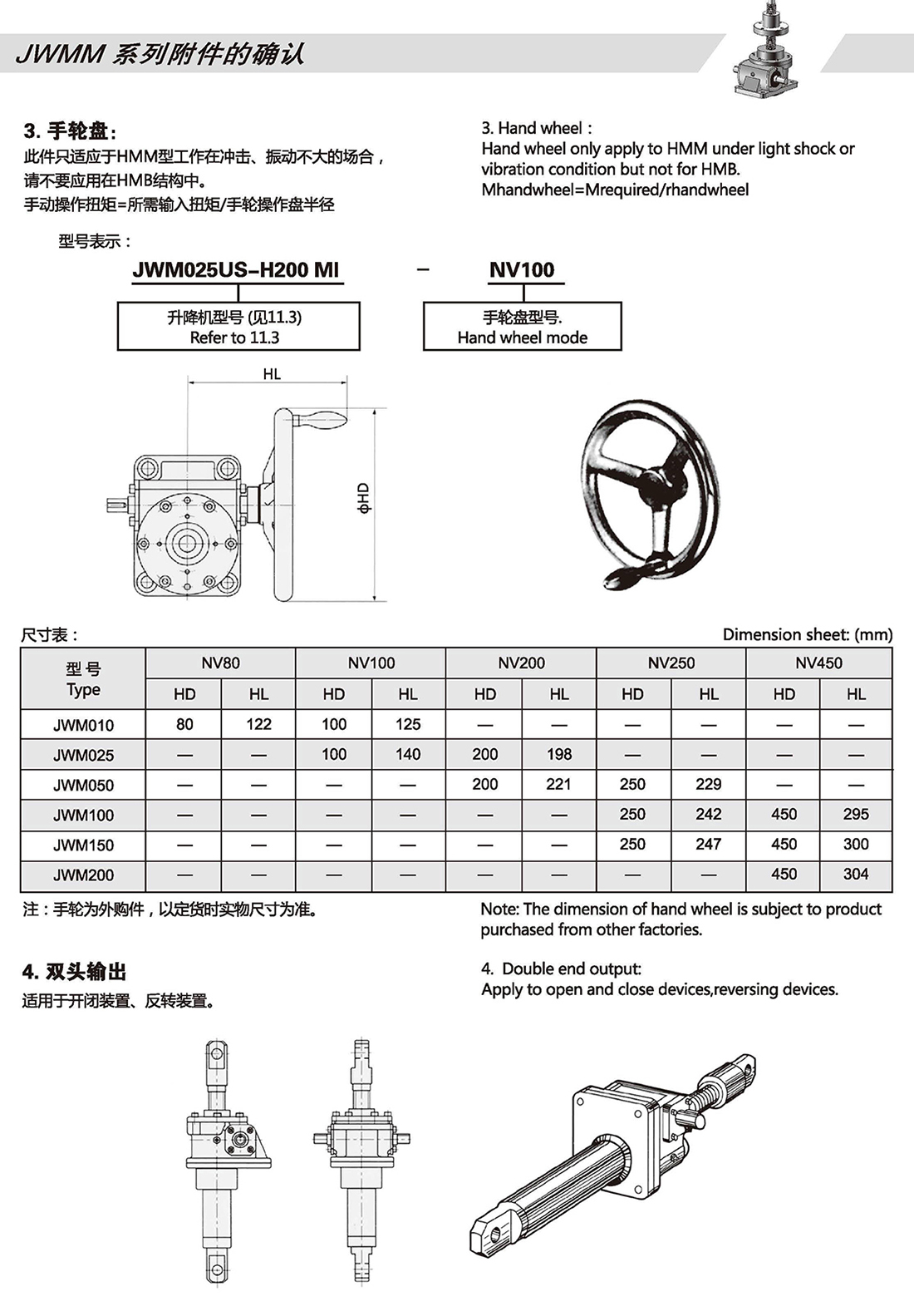
JWM/JWB Full Series Hand Wheel Size Comparison Table
| Jack model | Outer diameter of hand cranked wheel (mm) | Input shaft diameter (mm) | Keyway size (mm) | Torque | Maximum travel (mm) |
| JWM002/JWB005 | 120 | 10 | 3×3 | 100 | 5 |
| JWM010/JWB010 | 160 | 12 | 4×4 | 120 | 5 |
| JWM025/JWB025 | 200 | 14 | 5×5 | 150 | 8 |
| JWM050/JWB050 | 250 | 18 | 6×6 | 180 | 10 |
| JWM100/JWB100 | 300 | 22 | 8×7 | 200 | 12 |
| JWM150/JWB150 | 320 | 25 | 8×7 | 220 | 16 |
| JWM200/JWB200 | 350 | 30 | 10×8 | 250 | 16 |
| JWM300/JWB300 | 400 | 35 | 10×8 | 300 | 20 |
| JWM500/JWB500 | 450 | 40 | 12×8 | 350 | 24 |
| JWM750/JWB750 | 500 | 45 | 14×9 | 400 | 24 |
| JWM1000/JWB1000 | 550 | 50 | 14×9 | 450 | 24 |
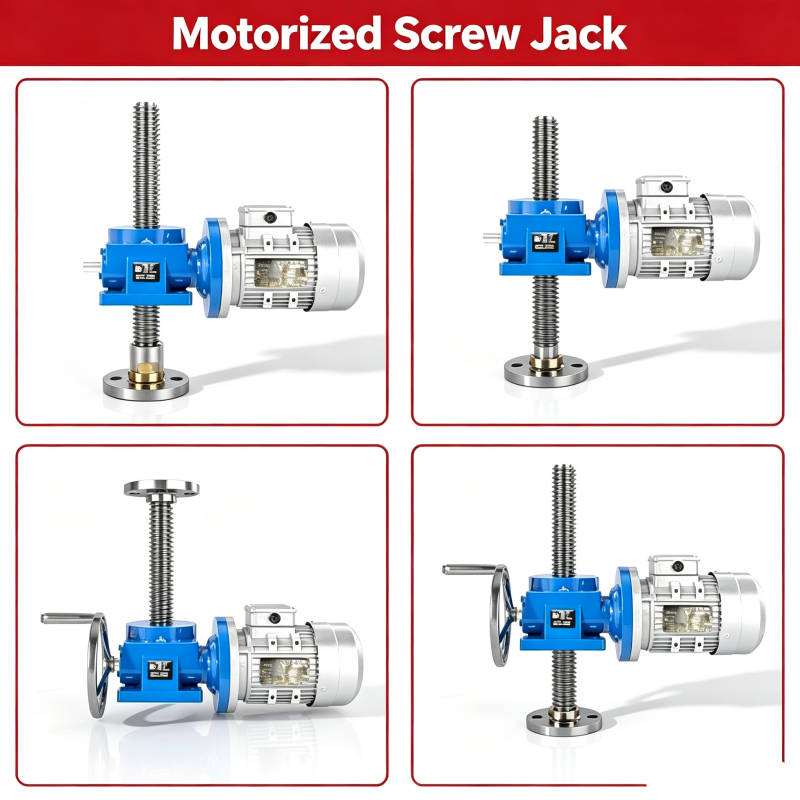
Key usage precautions for manual jacks/lifts
Hand cranked wheels are only suitable for low-speed manual operation scenarios. It is strictly prohibited to use external motors or other power sources to drive at high speeds, in order to avoid safety accidents caused by wheel body breakage.
When manually operating the JWB ball screw elevator, due to its higher transmission efficiency, the shaking speed in the unloaded state needs to be controlled within a reasonable range to prevent the screw from overspeeding and moving.
When manually operating heavy load models, it is recommended to use a deceleration handle to reduce operating force and avoid overloading by a single person.