
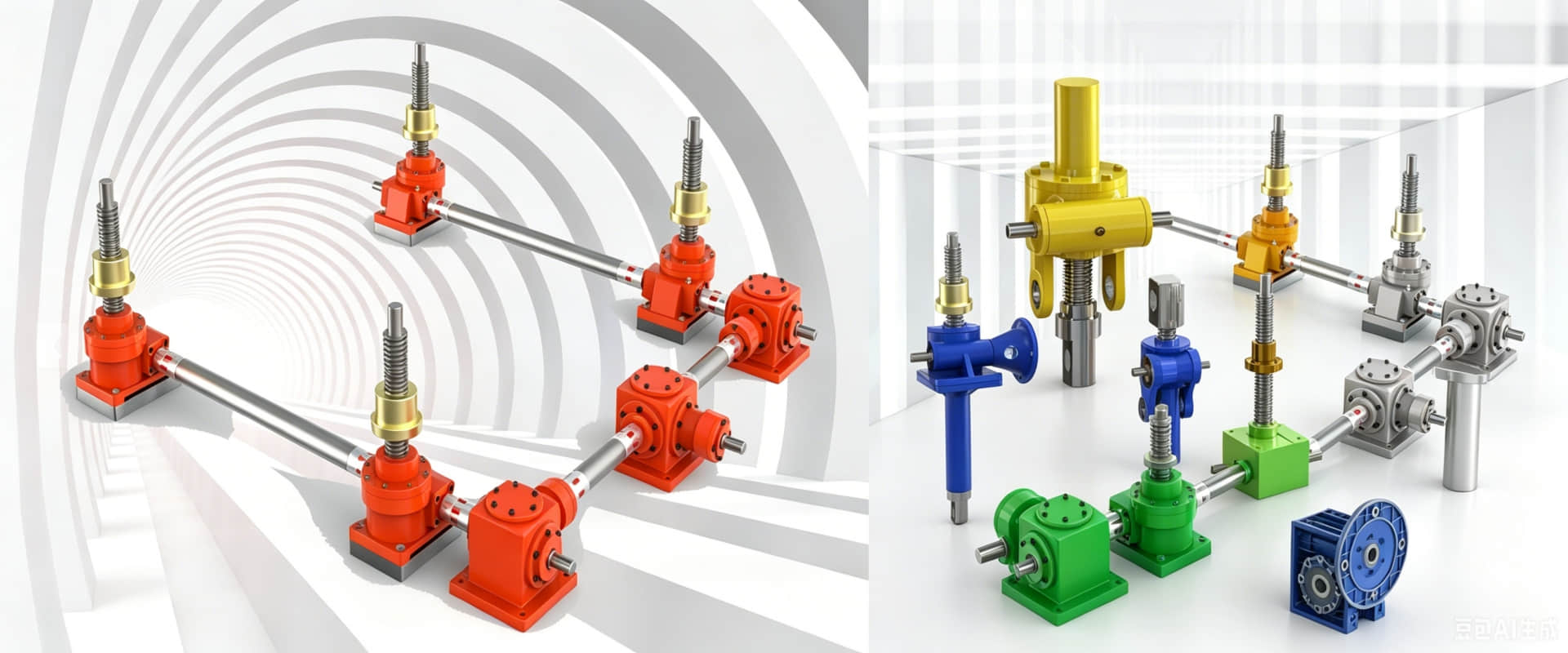
precision gearbox for humanoid robots market outlook
The Market Prospects of Precision Reducers for Humanoid Robots: The Joint Heart of a Trillion-Dollar Industry
As humanoid robots move from the laboratory to mass production, precision reducers are the core components
determining their motion accuracy, load capacity, and cost. Every joint rotation and every smooth movement relies
on high-precision, high-torque-density, and compact reducers. This market is experiencing explosive growth.
I. Why Humanoid Robots Cannot Do Without Precision Reducers
Humanoid robots have extremely small joint spaces, high load requirements, and complex movements, placing
extreme demands on reducers:
- **Zero or extremely low backlash:** Ensuring millisecond-level response for coordinated arm movements
and dexterous hand operations.
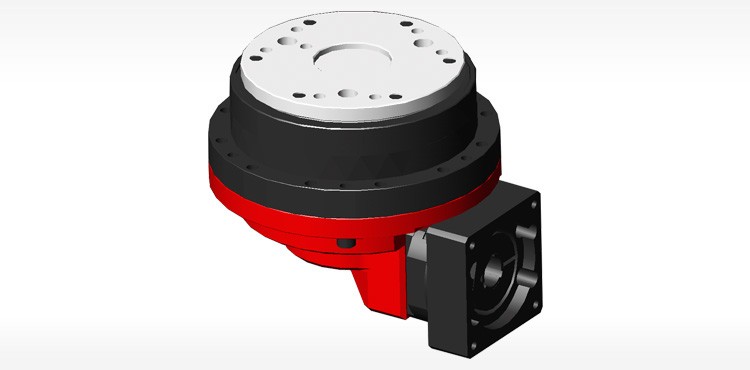
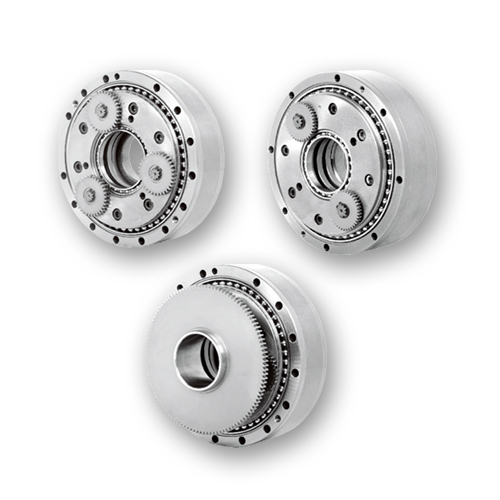
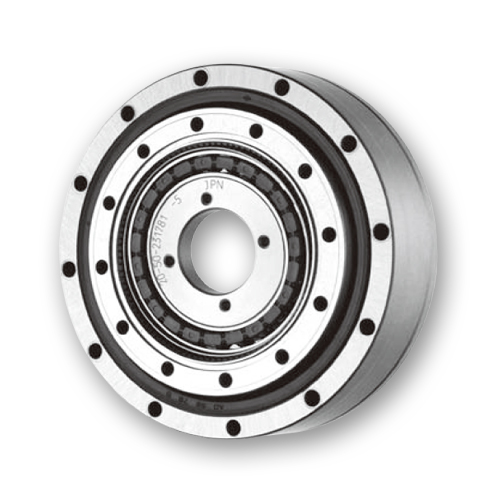
- **High torque density:** Outputting hundreds of Newton-meters of torque within a space of 30-50mm in diameter.
- **High rigidity and impact resistance:** Adapting to transient impacts during walking, jumping, and grasping.
- **Long lifespan and maintenance-free operation:** Achieving tens of thousands of hours of stable operation.
Currently, harmonic reducers (strained wave gears) are used in high-precision joints such as fingers and wrists,
while RV reducers (cycloidal pinwheels) are used in heavy-duty joints such as hips, knees, and shoulders.
Miniature planetary reducers are also used in some structures.
II. Market Size and Growth Drivers
The global market size for precision reducers for humanoid robots was approximately $280 million in 2024,
and is projected to exceed $1.2 billion by 2027, with a CAGR exceeding 60%. This explosive growth comes
from three aspects:
- **Accelerated Mass Production**: Leading manufacturers such as Tesla's Optimus and Boston
Dynamics' Atlas are planning mass production in the tens of thousands to hundreds of thousands of units.
- **Cost Reduction Demand**: Reducers account for 25-35% of joint costs, and domestic alternatives are
priced at only 50-60% of imports, significantly reducing overall machine costs.
- **New Structure Catalyst**: Integrated joint modules (motor + reducer + encoder + driver)
are becoming mainstream, driving the standardization and modularization of reducers.
III. Focus of Technological Competition
- **Miniaturization**: Breakthroughs in outer diameter from 80mm to below 40mm,
resulting in lighter and thinner designs. - **High rigidity and low inertia:** Application
of new materials such as flexible bearings and special alloy steels.
- **Lubrication-free and clean environment compatible:** Suitable for home,
medical, and other scenarios.
- **Production ramp-up:** Shifting from single-piece, small-batch production
to automated production lines, consistent yield becomes crucial.
**IV. Industry Chain Structure:**
Japanese companies Harmonic Drive Systems and Nabtesco still dominate the
high-end market, but domestically produced harmonic reducers have broken through
technological barriers, and their market share is rapidly increasing.
Suppliers with integrated delivery capabilities for motors, reducers,
and sensors will be more favored by OEMs.
**Our company, Huxing, is deeply involved in humanoid robot joint transmission:
** We offer customized harmonic reducers, RV reducers, and micro planetary reducers,
supporting integrated module integration. Tell our engineers your joint torque,
size, and precision requirements to receive detailed solutions and quotations for robot joint transmission.
Contact us now to seize the window of opportunity for humanoid robot reducer growth!