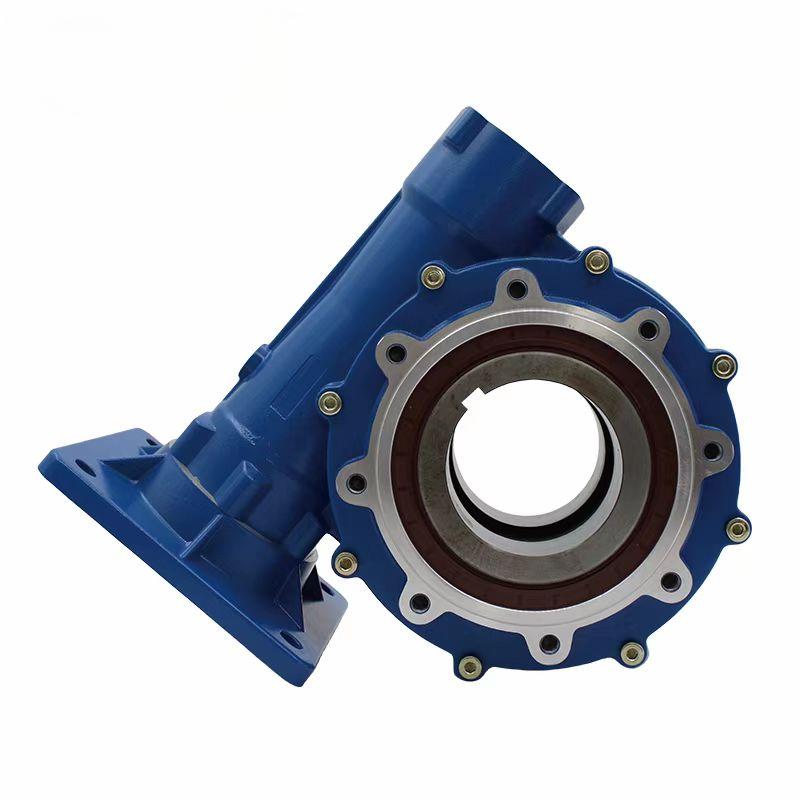
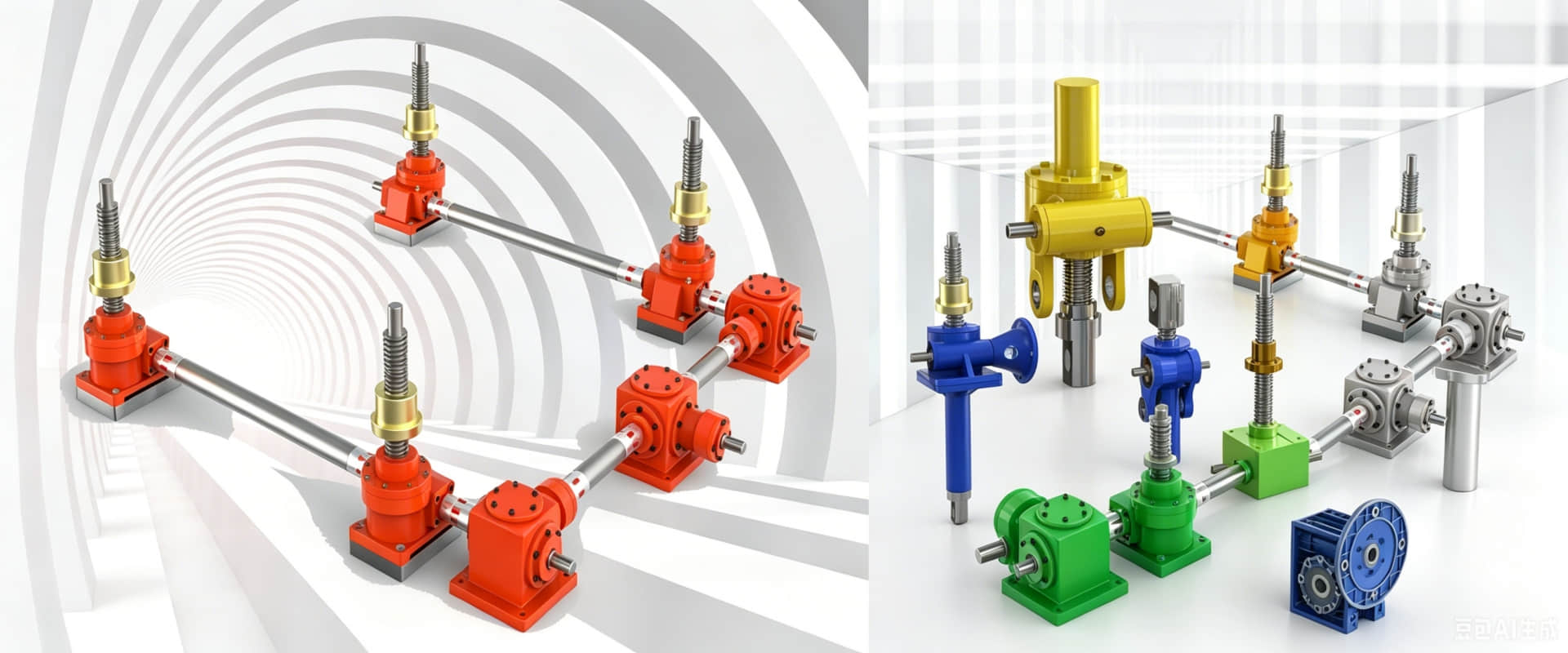
gear motor vibration analysis and fault diagnosis
Analysis of Vibration Causes in Geared Motors: Rapid Diagnosis from the Source to Prevent
Sudden Failures
Abnormal vibration in geared motors is a direct signal of equipment deterioration.
If left untreated,
it can escalate from minor noise to broken gear teeth and seized bearings within weeks.
The root causes of vibration are concentrated in three main areas:
the mechanical transmission chain,
electrical systems, and installation.
I. Root Causes of Mechanical Vibration
| Causes | Characteristics and Diagnosis |
|------|-----------|
| **Gear Wear/Pitting** | Vibration at meshing frequency,
with meshing frequency
and its harmonics on the spectrum, accompanied by speed sidebands |
| **Gear Eccentricity or Pitch Error** | Vibration at meshing frequency,
amplitude modulation at 1x RPM |
| **Bearing Damage** | High-frequency random vibration, bearing
failure frequency visible using impact pulse method or envelope spectrum |
| **Rotor Imbalance** | Dominant at 1x RPM, large radial vibration, stable phase |
| **Axis Misalignment** | Prominent at 2x RPM, severe axial vibration,
phase difference of approximately 180° between the two ends of the coupling |
| **Mechanical Looseness** | Loose mounting feet generate 1x RPM,
loose fit generates multiple harmonics |
| **Resonance** | Vibration amplifies sharply at specific speeds,
decreases rapidly when speed is changed |
Key Reminder: The vast majority of mechanical vibrations originate from improper
installation—misalignment, soft base feet, bolts not tightened to the specified torque.
First, use a laser alignment instrument and feeler gauge to check the installation foundation;
this usually resolves the problem within half an hour.
II. Electrical Vibration
- **Uneven air gap/rotor eccentricity:** Causes beat frequency vibration;
the vibration disappears
immediately after power is cut off.
- **Short circuit between winding turns/broken rotor bar:**
Causes torque pulsation,
resulting in slip frequency sidebands in the frequency spectrum.
- **Three-phase imbalance/harmonic distortion:** Leads to vibration
at twice the line frequency,
especially common in variable frequency drives.
**Simple identification method:** Abnormal vibration even when
the motor is idling is mostly
an electrical problem; increased vibration under load indicates
a high probability of mechanical failure.
---
III. Load and Process Factors
- Periodic load impacts (e.g., punch press, shearing machine)
excite transient vibrations.
- Surge in driven equipment (fans, pumps) is transmitted
back to the reducer.
- Frequent starts and stops with an excessively high inertia
ratio cause torsional oscillations.
IV. Practical Troubleshooting Steps
1. **Safety First:** Shut down and lock the machine,
use vibration sensors and a spectrum
analyzer for testing.
2. **Spectrum Measurement:** Record the effective values of vibration
velocity at each measuring
point (input/output bearings, machine base).
3. **Characteristic Comparison Table:** Identify the main fault frequencies
according to the table above.
4. **Electrical Troubleshooting:** Observe vibration changes
transiently after power failure.
5. **Installation Check:** Check alignment data, foundation torque,
and coupling wear.
6. **Oil Sample Analysis:** Take an oil sample to check for metal particles
to help determine the degree of gear/bearing wear.
**Need Vibration Diagnostic Support?** Our engineers can
provide vibration spectrum
analysis reports and recommend low-vibration, high-stiffness
solutions tailored to your
geared motor's operating conditions. Submit your operating parameters
and a description
of the vibration phenomena to quickly pinpoint the root cause and avoid
misdiagnosis and shutdown.
Contact us now for vibration diagnostic and selection optimization services.