gear motor energy efficiency standards
Geared Motor Energy Efficiency Standard Guidelines:
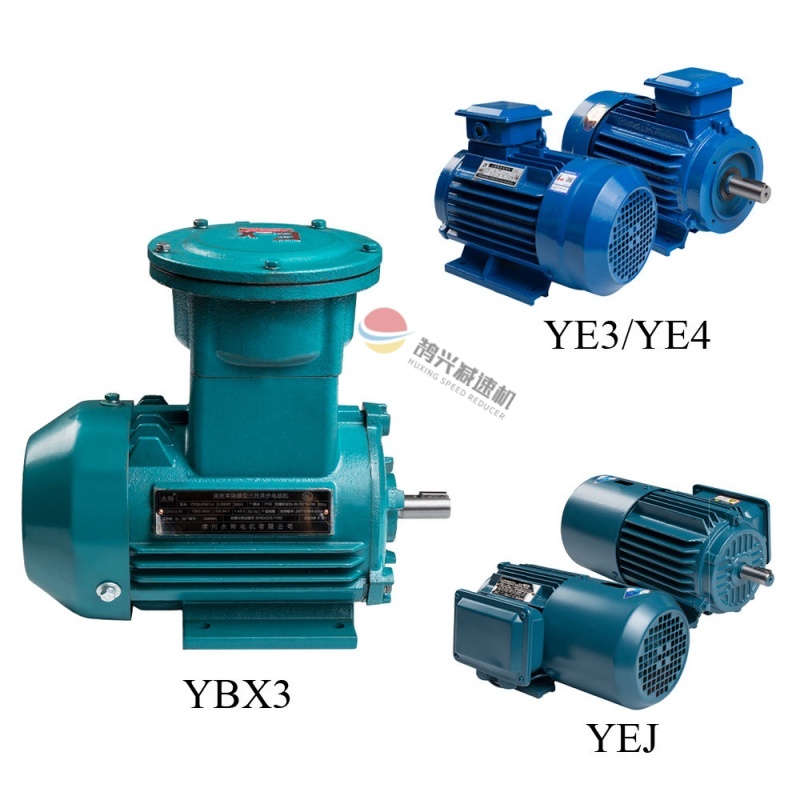
IE3/IE4 The mandatory energy efficiency standards for motors in various countries
are increasing year by year. Choosing the wrong energy efficiency level not only increases electricity
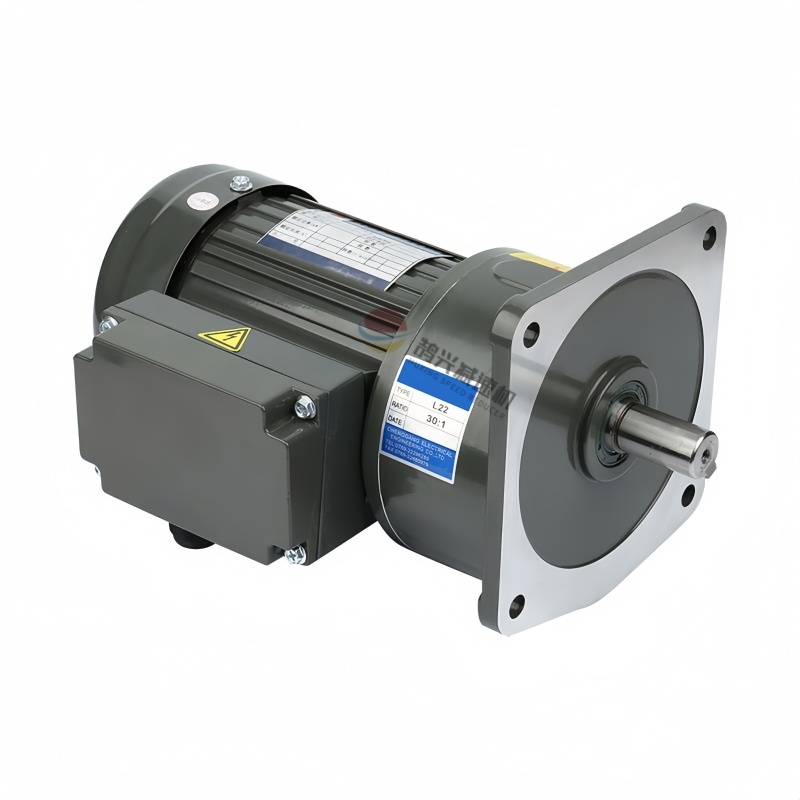
bills but may also prevent market access. A geared motor is a combination of a motor and a gear reducer;
its overall energy efficiency depends on the product of the efficiencies of the two components.
I. Internationally Accepted Standard Framework
The mainstream global standard uses IEC 60034-30-1 as the benchmark,
classifying the energy efficiency of low-voltage AC motors into four levels:
| Energy Efficiency Level | Standard Name | Efficiency Level
|Corresponding Chinese GB 18613-2020 |
|----------|----------|----------|----------------------|
| IE1 | Standard Efficiency | Minimum | Level 3 Energy Efficiency (Basically Eliminated) |
| IE2 | High Efficiency | Relatively High | Level 2 Energy Efficiency |
| IE3 | Ultra-High Efficiency | High | Level 1 Energy Efficiency |
| IE4 | Ultra-Ultra-High Efficiency | Extremely High | Level 1 (Higher Requirements) |
Core Trends: The EU has fully implemented IE3, and from 2023 onwards,
IE4 will be mandatory for some power ranges. China's new national standard,
implemented in 2021, directly abolishes IE2 (Level 3) and below,
with Level 2 as the minimum threshold, and some regions are promoting Level 1.
II. Comparison of Major Market Access
| Market | Current Minimum Requirements | Trends |
|------|--------------|------|
| China | GB 18613-2020 Level 2 (IE3) | Level 1 (IE4) Subsidized Promotion |
| EU | EU 2019/1781 IE3, some require IE4 | IE4 Coverage Accelerating |
| USA | NEMA Premium ≈ IE3 | Some states require IE4 |
| Others | Most follow IEC standards | Gradually increasing |
Key Reminder: Non-independent motors (integrated with the gearbox)
exported as complete units must also meet the energy efficiency requirements
of the motor portion. A separate energy efficiency report
for the motor is usually required for certification.
III. How to Calculate the Overall Efficiency of a Geared Motor
Overall Energy Efficiency = **Motor Efficiency × Gearbox Efficiency**
- Motor efficiency depends on energy efficiency rating:
IE3 approximately 91-95%, IE4 can reach 94-97%.
- Gearbox efficiency depends on type: helical gears 96-98%,
planetary gears 92-97%, worm gears 50-85%.
Example: An IE3 motor (93%) paired with a helical gear reducer (96%)
has an overall efficiency of approximately 89.3%.
If replaced with a worm gear reducer (70%), the efficiency
drops to 65.1%—a significant difference in energy consumption.
IV. Selection and Upgrade Recommendations
1. **Domestic General Applications**: At least choose IE3 (National Standard Level 2),
offering the best cost-performance ratio.
2. **Export to the EU/High-End Support**: Directly choose IE4 to avoid future regulatory
risks and save on electricity costs over its entire lifespan.
3. **Continuous 24-Hour Operation**: Even for domestic use, IE4 is strongly recommended,
saving the motor price difference within two years.
4. **Wort Gear Reducer with High-Efficiency Motor**: The efficiency bottleneck
lies on the worm gear side; there's no need to force an IE4. Prioritize optimizing
the speed ratio or changing the type.
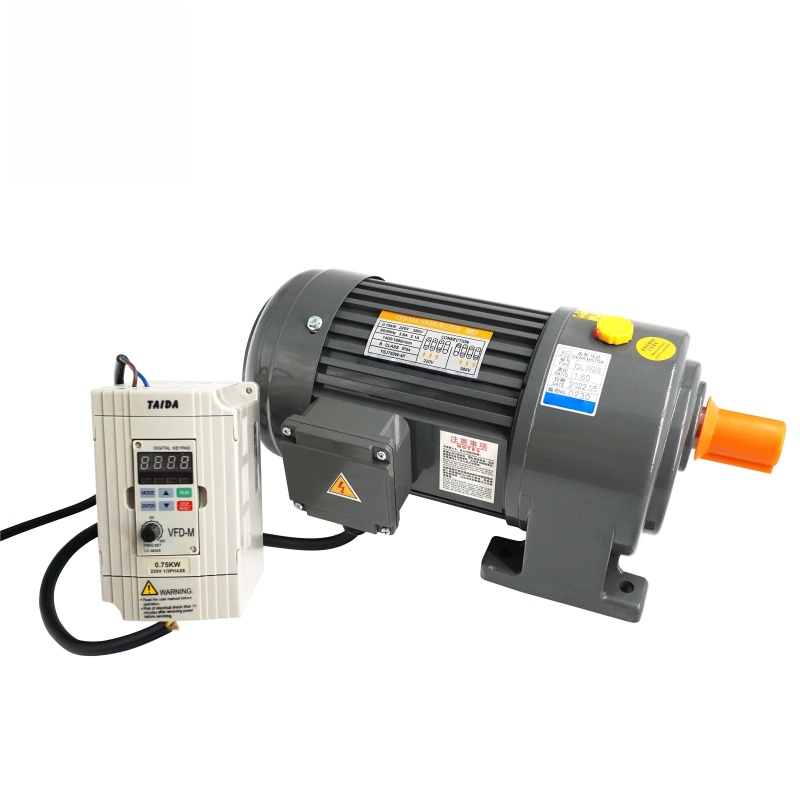
5. **Variable Frequency Speed Control System:** The motor efficiency must cover the
entire speed range, where IE4 offers a greater advantage.
V. How We Ensure Energy Efficiency Compliance
We offer a full range of IE3/IE4 geared motors. Each motor has national Level 1/Level 2 energy efficiency
registration and CE certification. We can also provide a complete machine energy efficiency
report to assist customers in successfully clearing customs and obtaining subsidies.
[Contact our engineers now, submit your voltage, frequency, and operating conditions
to obtain energy-efficient geared motor selection solutions and certification documents]