
gear tooth wear causes and prevention
**Causes and Prevention of Gear Wear in Gear Reducers: Protecting Gear Teeth Extends the Machine's Lifespan**
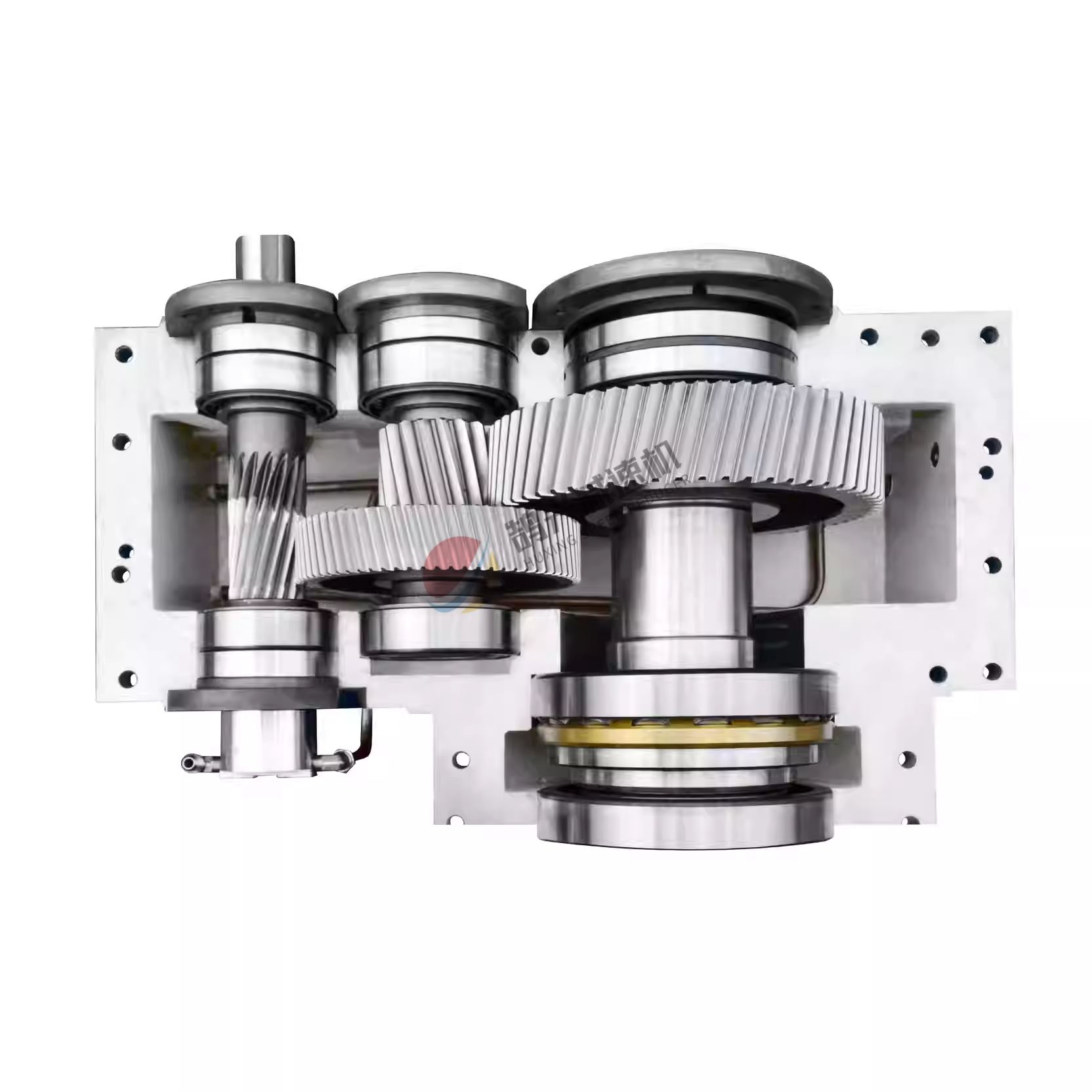
Gear wear is the most common progressive failure mode in gear reducers. Once significant wear appears
on the gear teeth, meshing clearance increases, noise rises, transmission efficiency drops sharply, and eventually,
teeth break and the machine stops. Understanding the wear mechanism and systematically preventing
it is key to extending the gear reducer's overall lifespan.
I. Five Types and Characteristics of Gear Wear
| Wear Type | Typical Characteristics | Direct Hazards |
| **Abrasive Wear** | Scratches and grooves appear on the tooth surface along the sliding direction,
resulting in a dull, lackluster finish. | Tooth thickness decreases, and backlash increases. |
| **Scuffing** | Tear marks and weld marks appear on the tooth surface, indicating oil film rupture.
| Instantaneous temperature rise leads to rapid failure. |
| **Fatigue Pitting** | Pitting and small pits appear near the pitch line, gradually expanding.
| Vibration and noise occur, causing tooth profile damage. |
| **Stripping** | Flaking or large-area surface peeling often originates from subsurface cracks.
| A precursor to severe tooth breakage. |
| **Plastic Deformation** | Flash and collapse occur at the tooth tip edge, with bulging at the pitch line.
| Meshing impact leads to loss of precision.
II. In-depth Analysis of Root Causes
**1. Insufficient Lubrication or Incorrect Oil** Insufficient oil film thickness leads to direct metal-to-metal
contact. ****Incorrect viscosity selection, insufficient oil quantity, and oil aging/deterioration
are the primary causes of scuffing and abrasive wear.**
****2. Intrusion of foreign hard particles.** Dust, casting sand, and abrasive metal shavings
suspended in the oil act like polishing paste, cutting the tooth surface and directly causing abrasive wear.
Breather failure or poor sealing is the main intrusion path.
****3. Overload and impact loads.** Torque exceeding the gear contact fatigue limit causes subsurface shear stress,
initiating microcracks that gradually expand into pitting and spalling. Frequent start-stop cycles and
rapid acceleration exacerbate this effect.
****4. Material and heat treatment defects.** Insufficient tooth surface hardness, shallow carburized
layer or decarburization, and insufficient core strength result in load-bearing capacity lower than
the nominal value, leading to early plastic deformation and crushing.
****5. Installation and alignment misalignment.** Non-parallel or misaligned gear shafts cause
neven loading in the tooth width direction, resulting in local contact stress several times higher
than the design value, causing rapid wear starting from the tooth tips.
III. Systematic Preventive Measures
**Lubrication Management:**
- Strictly adhere to the specifications in the instruction manual regarding the viscosity and extreme
pressure anti-wear grade of gear oil. Use synthetic oil for heavy-duty
and high-temperature environments.
- Maintain the oil level at the neutral position to avoid insufficient oil for insufficient
splashing or excessive oil causing overheating due to churning.
- Establish a regular oil change and oil analysis system, monitoring viscosity, moisture
content, and metal particle content.
**Cleanliness Control:**
- Keep the sealing system intact and regularly inspect the oil seal lip.
- Install filters on the breather or use waterproof vent valves to prevent
the intake of particles and moisture.
- New oil must be filtered through a filter screen to prevent impurities from entering the drum.
**Design and Material Selection:**
- Hardened gear surfaces (≥58 HRC) with grinding precision reaching DIN 6 or higher.
Appropriate edge trimming reduces meshing impact.
- Select high-quality carburized steel (e.g., 20CrMnTi) and control the depth of the carburized
layer and the carbon concentration gradient to prevent surface decarburization.
- Sufficient safety margins are included in calculations, especially considering impact
peaks in the actual load spectrum.
**Assembly and Alignment:**
- Use a laser alignment instrument to calibrate axis parallelism and misalignment,
controlling the error within 0.02mm.
- Ensure the housing has sufficient rigidity to prevent deformation during operation
that could cause uneven loading on the gear teeth.
**Condition Monitoring:**
- Vibration spectrum is collected quarterly to track meshing frequency and harmonic variations.
- Oil analysis is performed semi-annually; any abnormal wear debris is immediately detected,
requiring immediate shutdown and inspection to prevent a vicious cycle of abrasive wear.
Wear is irreversible; prevention is the only solution.
Once gears wear, their original precision cannot be restored through later repairs. Only
by implementing proactive protection measures at each stage—selection, installation,
and lubrication—can gear tooth wear be controlled within a minimal range, achieving
the designed lifespan.
**We Offer High Wear-Resistant Gear Motor Solutions** From hardened gear grinding and
carburizing heat treatment to system lubrication recommendations, our engineering
team can customize wear-resistant gear motors for harsh operating conditions
and provide oil analysis and vibration diagnostic services.
Contact us now to obtain gear wear analysis and long-term protection solutions.